Ever thought about the reason behind fluctuations in thermal roll prices in Pakistan? As many business owners realize, there are price differences between suppliers and markets. These changes can be confusing at first glance. However, several factors affect the daily rates of thermal rolls and related printing supplies, such as High-Quality Barcode Stickers. Familiarizing yourself with these factors can help you make better purchasing decisions. Whether you operate a retail store, restaurant, or service business, understanding the factors that influence pricing can help you save money and improve planning.
The Price of Thermal Rolls Is Directly Affected by Raw Material Costs
The price of thermal rolls is largely influenced by the cost of raw materials. Manufacturers produce thermal rolls using specially coated paper. The price of this paper can fluctuate due to changes in market demand and supply conditions. Similar raw material changes can also affect the production costs of Product Labels and other printed business supplies.
As raw material prices rise, suppliers often increase their product prices. Additional expenses associated with imported materials may also affect production costs. Businesses that track raw material trends can better understand market price movements.
Local Prices Are Influenced by Global Pricing Trends
Thermal roll rates in different areas can be influenced by international market conditions. Changes in global demand can affect production and distribution costs. Supply chain disruptions may also create additional expenses for manufacturers and importers.
Currency exchange rates further increase difficulties for suppliers who depend on imported materials. When international production or transportation costs rise, local market prices generally follow the same trend.
Product Costs Are Influenced by Import Duties and Taxes
Many thermal paper products are manufactured using imported materials or production components. Government duties and taxes can have a substantial impact on the final market price of these products. Higher import charges increase expenses for suppliers, which are eventually passed on to distributors and end users.
Changes in taxation policies may also be responsible for temporary market price fluctuations. Businesses that understand these factors are better equipped to make informed purchasing decisions. Monitoring policy changes allows buyers to prepare for possible price increases before they occur.
Supply and Demand Continue to Determine Market Rates
Supply and demand are among the most important factors influencing prices in any market. When demand increases, prices naturally rise, particularly during busy retail and commercial seasons. Limited stock may also result in temporary shortages and price increases.
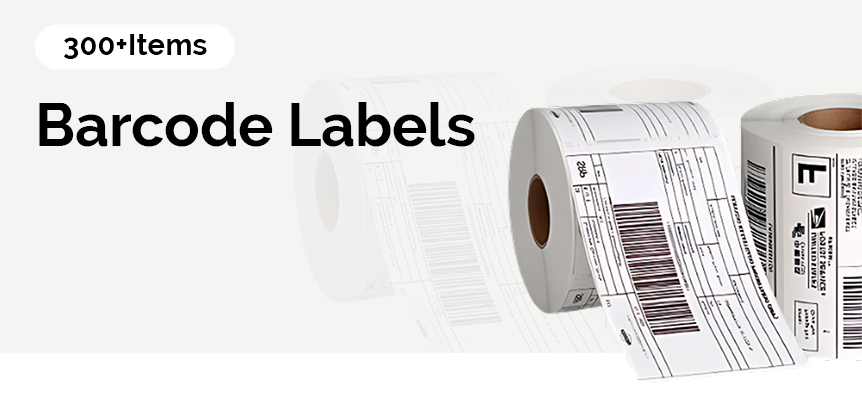
Businesses that regularly use thermal rolls and High-Quality Barcode Stickers may face higher purchasing costs when demand exceeds available supply. Placing orders in advance can help reduce the risks associated with market volatility. Understanding seasonal demand cycles also allows buyers to plan their purchases at the right time and secure better prices.
Transportation Expenses Increase Overall Distribution Costs
Transportation expenses affect almost every product sold in the market. Thermal roll pricing is influenced by fuel prices, logistics expenses, storage costs, and delivery charges. When transportation expenses increase, suppliers may adjust their product prices accordingly.
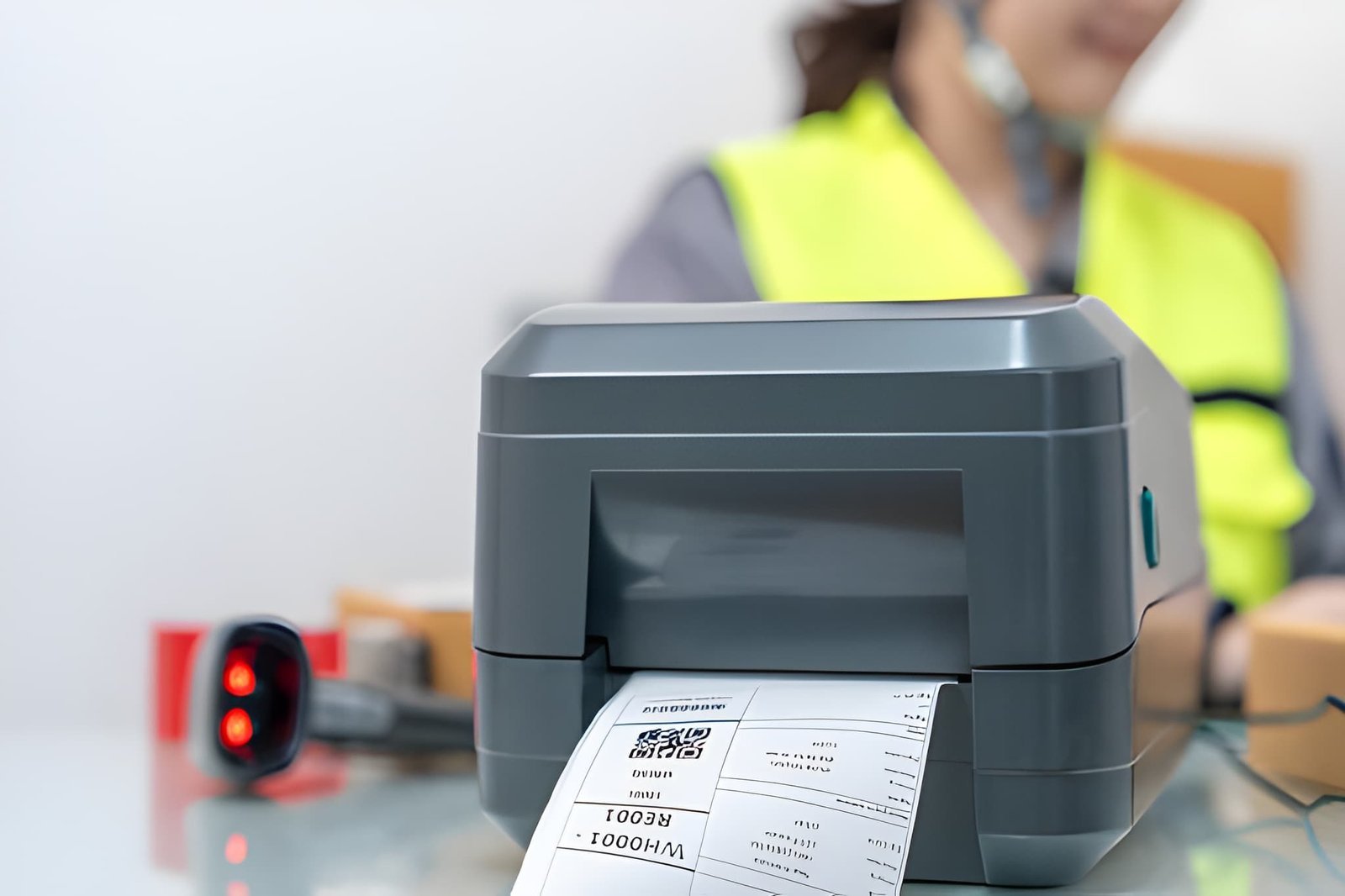
Long-distance shipping can further increase costs, especially for businesses ordering products from suppliers in other cities. Companies that purchase thermal rolls and Shipping Labels should consider delivery charges when comparing supplier prices. Understanding logistics costs provides a clearer picture of the total amount a business will need to pay.
Supplier Pricing Strategies Are Influenced by Market Competition
Competition can influence prices in several ways. Some suppliers offer lower prices to attract new customers, while others focus on premium quality, reliable delivery, and value-added services. Competitive markets usually provide buyers with more purchasing options, especially for products such as High-Quality Barcode Stickers and thermal rolls.
Businesses should research product quality, supplier reputation, and pricing before making a final selection. Some suppliers may also offer flexible prices depending on order quantity, market conditions, and customer requirements. The competitive landscape therefore affects both daily pricing and purchasing opportunities.
Paper Specifications Affect Daily Market Prices
Product specifications are an important factor when calculating costs. The width and length of a roll, paper thickness, core size, and coating quality can all influence its price. Larger rolls require more material and are therefore generally more expensive.
Specialized products may also cost more than standard options. Customers should select products according to their printers and operational requirements. Thermal paper products are widely used by businesses because of their convenience, speed, and efficiency. Choosing the correct specifications helps maintain a suitable balance between product quality and overall cost.
Business Usage Requirements Affect Purchasing Decisions
Printing requirements vary from one industry to another. Large retail stores may require substantial quantities of thermal rolls for receipts and transaction records, along with High-Quality Barcode Stickers for inventory management and product identification. Restaurants and service providers may have different usage patterns depending on their daily number of customers.
These requirements affect purchasing volume and pricing. A reliable Thermal Printer Roll supports consistent print quality and helps maintain smooth business operations. Buyers should calculate their regular consumption before placing an order. Understanding usage patterns allows businesses to manage expenses, maintain adequate stock levels, and avoid unnecessary shortages.
Final Words
Several factors work together to determine the Thermal Roll Price in Pakistan, including raw material costs, import duties, currency fluctuations, transportation expenses, market demand, and product specifications. Since these elements can change over time, the price of The Paper Roll may vary across suppliers and locations.
Understanding these pricing factors enables businesses to plan purchases more effectively, compare available options, and avoid unexpected expenses. By choosing the right specifications and working with a reliable supplier, businesses can achieve consistent print quality, better long-term value, and smoother day-to-day operations.
Make Smarter Purchasing Decisions Starting Today
Before buying thermal rolls, compare product quality, specifications, delivery costs, and supplier reliability. An informed purchasing decision can improve printer performance, reduce expenses, and support smooth business operations throughout the year.
Get More Details!
FAQs
Why are thermal rolls so expensive?
Thermal roll prices may be influenced by raw material costs, market demand, import duties, currency exchange rates, and transportation expenses. These factors can change frequently and result in price fluctuations.
What is the relationship between import costs and thermal roll prices?
Import duties, taxes, and international shipping expenses increase supplier costs. When these expenses rise, they can also increase the final market price of thermal rolls.
Does it make sense to purchase thermal rolls in bulk?
Buying in larger quantities may reduce the overall cost per roll. Bulk purchasing can also protect businesses against sudden price increases and stock shortages.
What should businesses consider before purchasing?
Businesses should prioritize paper quality, product specifications, printer compatibility, supplier reliability, and delivery expenses. These factors contribute to better performance and long-term value.